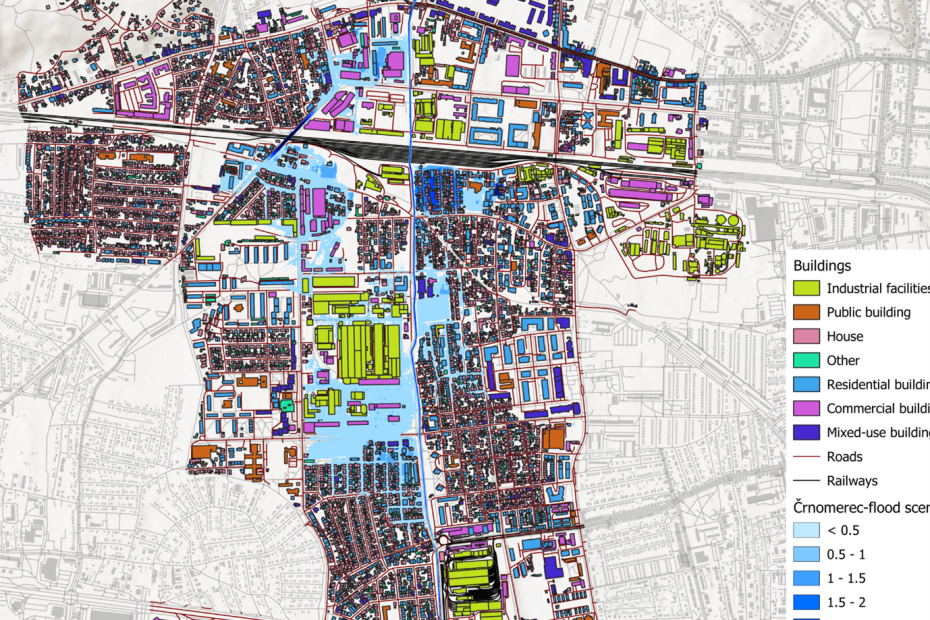
After collecting and analyzing extensive data for two CRISAFE case studies (Croatia and the Netherlands) from multiple sources, Infra Plan consulting initiated a comprehensive risk analysis. This analysis focused on mapped areas containing second-level critical infrastructure (including urban, environmental, and cultural heritage assets) and population data to assess their vulnerability to cascading hazard events.
Figure1: Collected data for the flooded area of Črnomerac area used in subsequent risk analyses (CRISAFE flood model)
Using the collected data, IPC conducted a detailed risk analysis to evaluate the potential consequences of cascading hazard events. The analysis focused on two distinct scenarios to account for variations in population exposure and infrastructure usage: Scenario 1 (Working Day) and Scenario 2 (Non-Working Day).
Through this analysis, IPC determined several key impacts: the number of affected people accounting for differences in population distribution between working and non-working days, total damages to buildings, traffic infrastructure, and businesses, providing a comprehensive overview of economic losses and loss per unit area for various Land Use/Land Cover (LULC) categories.
These calculations were applied to three case study dams in Croatia, utilizing two flood models for comparison:
- The CRISAFE flood model, specifically developed for this project to simulate flood impacts under various hazard scenarios and
- The Croatian Waters low-probability flood hazard model, which assumes an extreme flood event with a return period of approximately 1,000 years.
To further enhance the analysis, IPC integrated a Bayesian Belief Network (BBN) model into a custom software tool developed by the Infra Plan team. This advanced model simulates three cascading event scenarios, each representing a unique combination of hazards and dam behaviors in the City of Zagreb:
- Croatian Waters Flooding – This scenario examines the impacts of intense rainfall leading to widespread flooding, particularly in urban and low-lying areas.
- Earthquake – Here, the focus is on seismic activity and its potential to trigger secondary hazards, such as dam failures or infrastructure collapse.
- Flooding Due to Dam Failure – This scenario explores the consequences of a dam breach, resulting in sudden and severe downstream flooding.
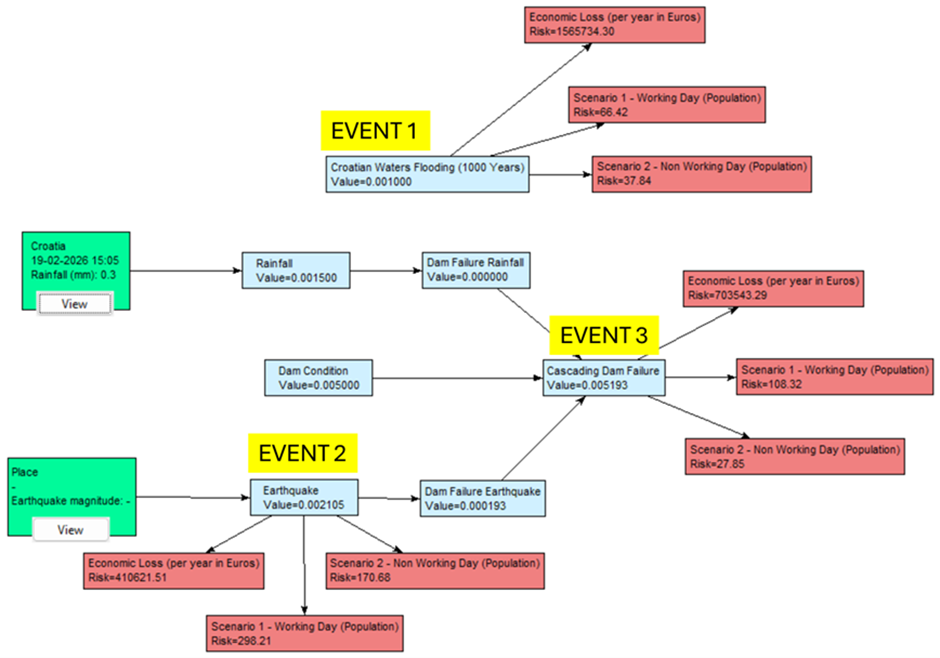
Figure 2: BBN model for Croatian case study with three key events
The same methodology was applied to the Netherlands case study, focusing on two possible breach locations in the Oude Maas dike. The BBN model for the Netherlands was developed based on water level measurements from the nearest monitoring location.
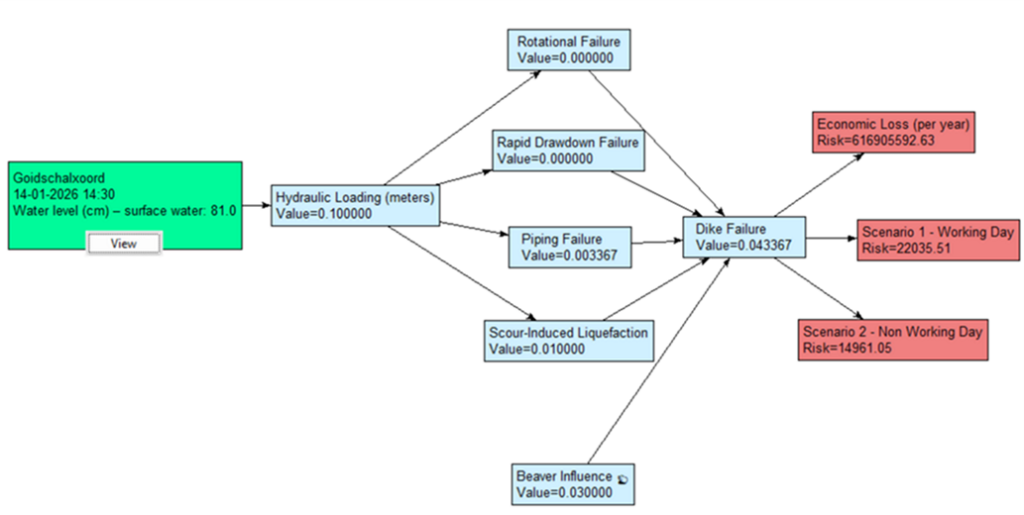
Figure 3: BBN model for the Netherlands case study based on water level measurements at the nearest monitoring location
This analysis provides critical insights into the potential impacts of cascading hazards, enabling better risk management and mitigation strategies for both Croatia and the Netherlands. The results highlight the importance of integrated risk assessment and preparedness planning to minimize the consequences of such events.