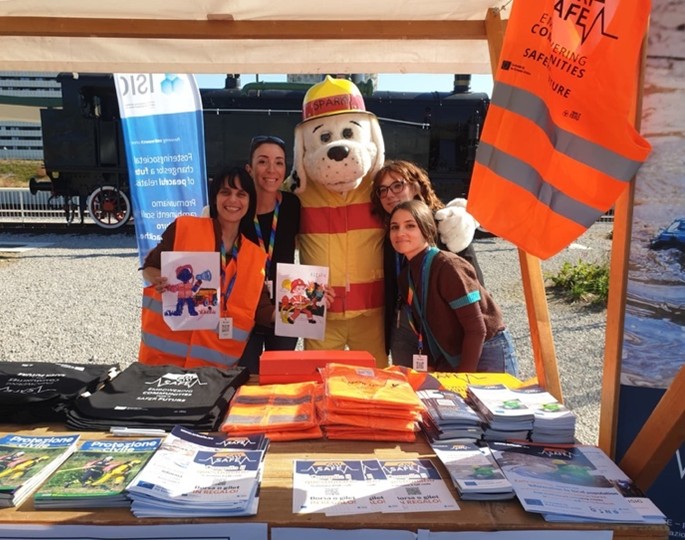
Throughout CRISAFE project, ISIG deployed various methods of engaging citizens and stakeholders, ranging from workshops to surveys, in order to develop guidelines for improving public access to disaster risk information in the context of cascading risks. Insights and indications coming from the final users of communication activities nurtured the guidelines which have been then re-elaborated as an operative tool designed to be easily usable and adaptable to a wide range of local contexts.
The final result, presented during the Final Conference in Split, is represented by a light and flexible, yet comprehensive, set of seven key recommendations, namely:
1. Define Objectives and Scope
2. Understand the Audience
3. Consider and Adapt to the Territorial Context
4. Design Accessible and Inclusive Materials
5. Use Multiple Dissemination Channels
6. Enable Preparedness and Practical Action
7. Evaluate, Learn, and Adapt Over Time
Each guideline is accompanied by an overview of its rationale, three key design principles to follow, as well as an operational checklist (planning and guiding questions; suggested actions; final check) to be sure that planned communication activities are in line with goals and expectations.
During the conference, ISIG took the opportunity to share broader reflections on the relationship between citizen engagement and the resilience of local civil protection systems, drawn from many years of work on the subject by the Institute.